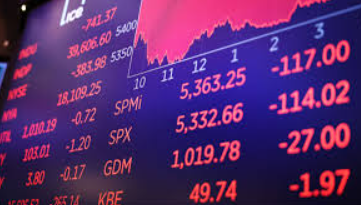
Markets in Turmoil: What Happened
The US stock market suffered a dramatic sell-off as all three major indices — the Dow Jones Industrial Average, the S&P 500, and the Nasdaq Composite — posted significant losses in a single trading session. The S&P 500 fell over 2.5%, while the Nasdaq dropped more than 3%, with technology stocks leading the decline.
Key Factors Behind the Market Drop
Several converging factors contributed to the sharp decline. Rising concerns about persistent inflation, combined with signals from the Federal Reserve about maintaining higher interest rates for longer, created a perfect storm of negative sentiment across trading floors.
Trade policy uncertainties added to the volatility, as new tariff announcements raised fears of escalating tensions that could disrupt global supply chains. Additionally, disappointing earnings reports from several major corporations failed to meet analyst expectations, further eroding investor confidence.
Sector-by-Sector Breakdown
The technology sector was hit hardest, with major tech companies seeing their valuations drop by 3-5% in a single session. Financial stocks also suffered as banks faced growing concerns about loan defaults in an uncertain economic environment. Energy stocks declined alongside falling oil prices, while defensive sectors like utilities and consumer staples saw comparatively smaller losses.
Expert Analysis
"We're seeing a classic risk-off move," said one senior market strategist at a major Wall Street firm. "Investors are rotating out of growth stocks and into cash or bonds as they reassess their expectations for the remainder of the year."
Bond yields surged as investors sought safe havens, with the 10-year Treasury yield climbing above key psychological levels. The VIX volatility index, often referred to as Wall Street's "fear gauge," spiked to its highest level in months, signaling widespread anxiety among market participants.
What This Means for Investors
Financial advisors are urging calm among retail investors, noting that market corrections are a normal part of the economic cycle. Long-term investors are being advised to avoid making emotional decisions based on short-term volatility. However, those with shorter investment horizons may want to review their portfolio allocations and consider diversifying their holdings to manage risk.
All eyes are now on upcoming economic data releases and the Federal Reserve's next policy meeting, which could provide clarity on the direction of interest rates and the broader economy.